
How Long Does Exterior Paint Last in Upstate South Carolina?
How long does exterior paint last in Upstate South Carolina? There is no fixed lifespan that applies to every home. Surface material and condition, preparation, product selection, sun exposure, moisture, and maintenance all affect how a coating performs. Peeling, chalking, open caulk, or exposed material can signal that an exterior needs attention, but the cause should be understood before repainting. Here is what to look for and what to discuss when planning your project.
What Affects Exterior Paint Life?
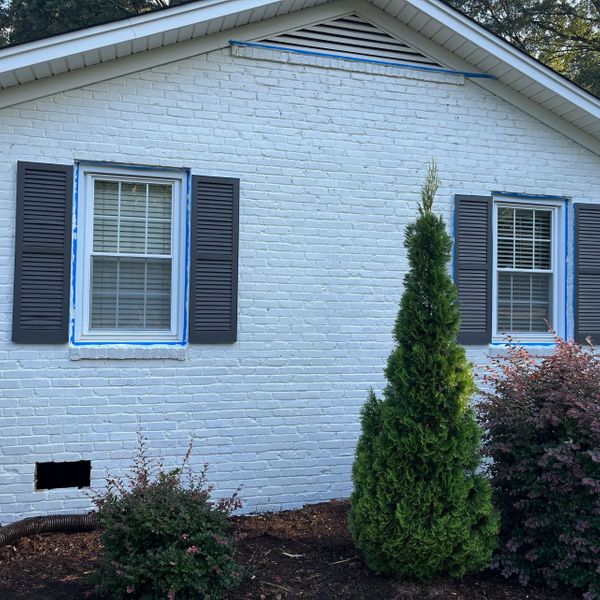
There is no single number of years that predicts how long exterior paint will last on every home in Upstate South Carolina. Paint performance depends on the material underneath, the condition of existing coatings, preparation, the coating system selected, sun and moisture exposure, application, and maintenance. A painted surface may weather differently from one elevation to another because each side of the home receives different amounts of sun, wind, and rain.
Two homes painted at the same time may age differently. Wood siding, fiber cement, masonry, and previously painted surfaces each respond differently to moisture and movement, so preparation and product selection should fit the substrate. The condition of the existing surface also matters: peeling, chalking, failed caulk, mildew, exposed wood, or previous repairs may require different steps before new paint is applied.
An exterior coating is not a repair for water intrusion, rot, or failed flashing; recurring problems should be addressed before painting. A visual estimate can identify visible concerns, but concealed damage may become clear only during preparation. If available, prior project records can help identify the products and preparation used. When records are missing, a painter can assess what is visible and explain any limits to that assessment.
Earlier paint failure can point to a surface problem or moisture source that needs attention before repainting. During an estimate, our team can review visible conditions and discuss the surfaces, preparation, and products included in the written proposal. Ask which areas are included, what preparation is planned, and whether repairs or exclusions are noted. That project-specific information is more useful than relying on a guaranteed lifespan that cannot account for every home’s conditions.
How Sun, Moisture, and Surface Condition Matter
Sun exposure can change how a coating looks over time, and the effect varies with color, product, substrate, and the direction the wall faces. Darker colors generally absorb more heat than lighter shades; that added heat may matter for some materials and coating systems. Sunlight can also contribute to fading or chalking, but color alone does not determine how long a paint job performs.
Moisture deserves separate attention. Rain, humidity, leaking gutters, failed caulk, or water intrusion can affect the surface beneath the coating. Paint should not be used to conceal an active leak or recurring dampness. Before painting, identify and address the source of moisture where possible. Shaded areas may stay damp longer, while sun-exposed sides may weather faster. A home’s different elevations can therefore show different conditions even when they were painted at the same time.
Check the exterior periodically, especially where siding meets trim, around windows and doors, and near gutters or downspouts. Look for peeling, open joints, stains, or soft wood, and address water issues before they spread. These observations do not replace a professional inspection, but they can help you describe concerns when requesting an estimate. A repainting plan should account for the conditions on each elevation rather than assume the entire home is aging at the same rate.
Why Preparation and Application Matter
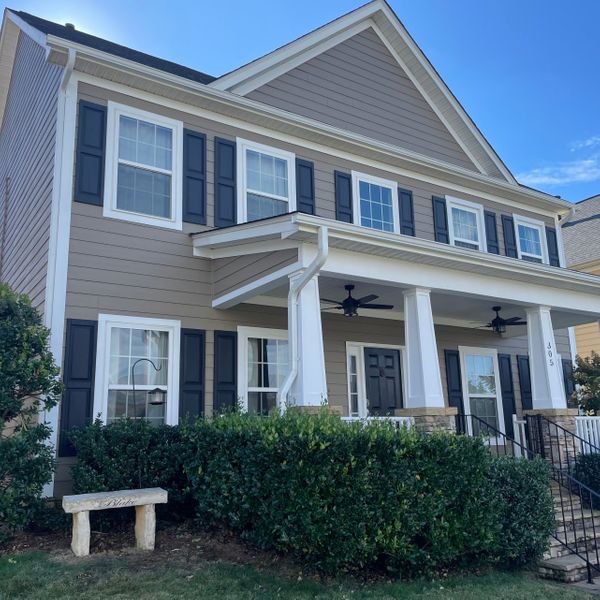
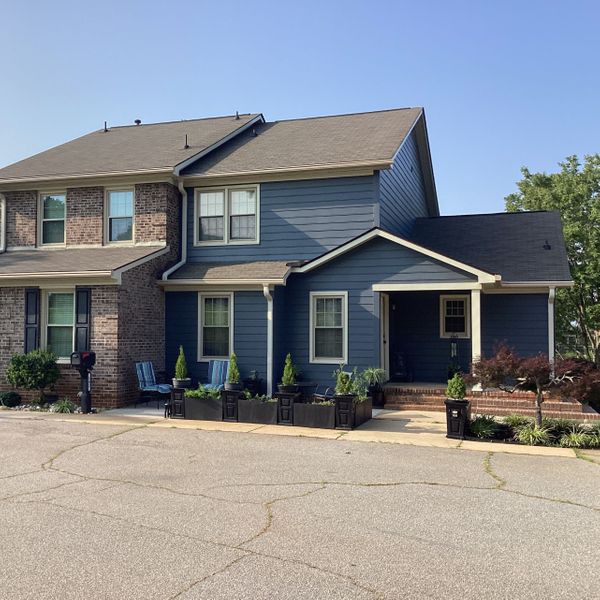
Preparation helps a coating bond to the surface and gives it a sound base, but the work varies with material and condition. A project may call for cleaning, scraping, sanding, caulking, spot priming, or repairs; not every step is appropriate for every surface. Old coatings, failing caulk, mildew, bare wood, and previous peeling should be assessed before deciding on the scope. Product selection also depends on the substrate and exposure. A homeowner should be able to see which preparation and products are included in the written proposal.
Application should follow the selected product’s label and instructions. Even quality coatings cannot correct unresolved moisture or poor surface preparation. When comparing estimates, look at the described preparation and surfaces included, not only the number of coats or product name. Ask whether trim, siding, shutters, and other areas are included, and how the crew will protect nearby landscaping and surfaces. A clear scope makes it easier to understand what the estimate covers and to compare proposals fairly. If repairs may be needed, ask how the team will document them and whether they affect the original project price or schedule.
Signs It May Be Time to Repaint
Signs it may be time to repaint include peeling, cracking, flaking, exposed substrate, failing caulk, or a coating that looks chalky or visibly worn. These signs do not identify the cause on their own. Moisture, movement, or a failing previous coating may need attention before repainting. Look at the whole home: a sun-exposed wall, trim, and lower areas may show different conditions.
How Long Will Exterior Paint Last? There is no fixed number that applies to every home; surface condition, preparation, products, exposure, application, and maintenance all affect performance.
How Can I Tell If My Home Needs Repainting? Look for peeling, cracking, flaking, chalking, open caulk, or exposed material. If you see recurring dampness or soft wood, address the underlying issue before painting.
Can Paint Solve a Moisture Problem? No. The source of recurring moisture or water intrusion should be addressed before coating the surface.
What Should I Compare in Painting Estimates? Review the surfaces included, preparation, repairs, products, and exclusions described in each written proposal. Ask how the team will protect nearby areas and document any repairs that may be outside the original scope.
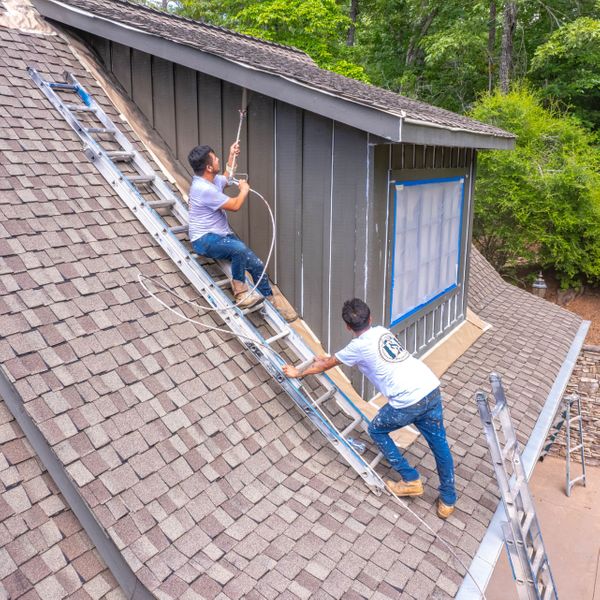
Exterior paint performance depends on the home’s surface, preparation, products, exposure, and maintenance. If you notice peeling, cracking, or moisture concerns, have the surface assessed before repainting. Learn more about our exterior painting service and request a complimentary estimate to discuss your home’s condition and the work included in a written proposal.